
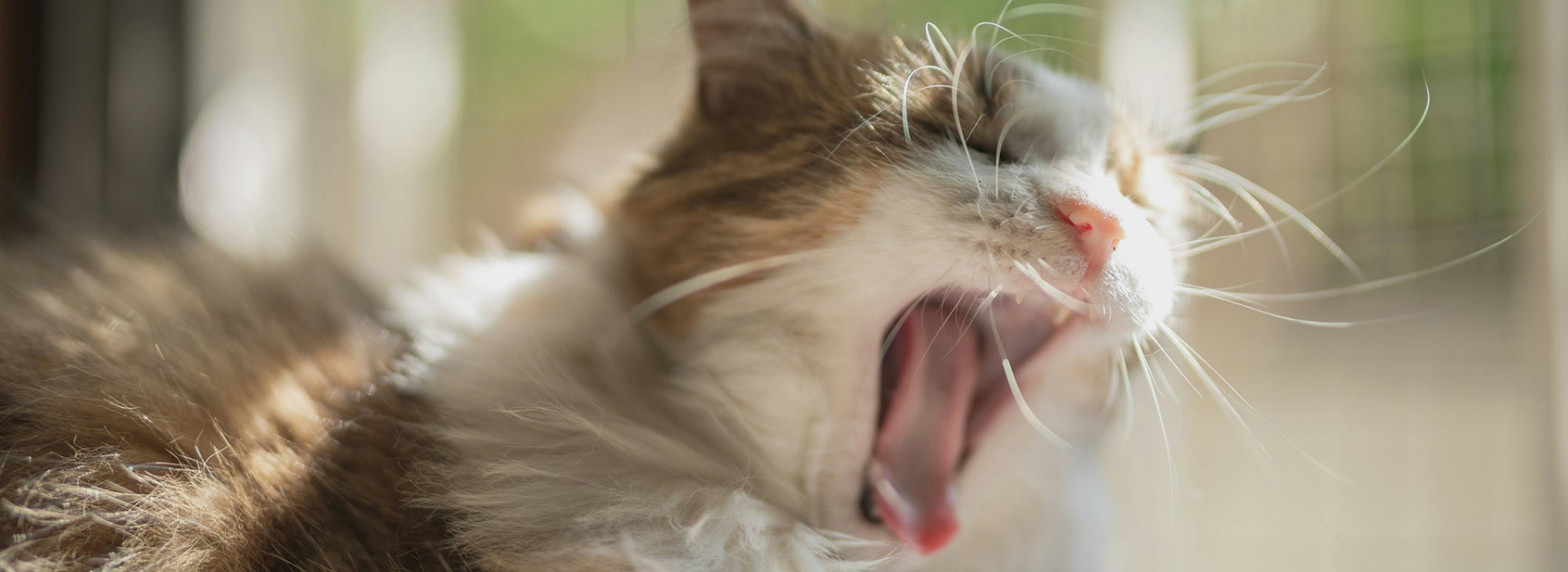
Why Does My Pet Have Bad Breath? Causes & Fixes
Photo by Sebastian Latorre on Unsplash
Key Takeaways:
- Bad breath isn't normal. Occasional whiffy breath after a meal is one thing, but persistent bad breath in dogs and cats is usually a sign that something else is going on.
- It's often a dental issue. Plaque and tartar build-up can lead to gingivitis and periodontitis — two of the most common causes of stinky pet breath.
- It can signal something bigger. Sweet or fruity breath may point to diabetes, while urine-like breath can be a sign of kidney disease. Gut health plays a role too.
- Daily habits make a difference. Regular tooth brushing, a high-quality diet, and vet-approved dental treats like GREENIES™ can keep breath fresh and mouths healthy.
- When in doubt, see your vet. If bad breath sticks around despite your best efforts, a professional dental check is the next step.
Why Does My Pet Have Bad Breath?
Pet owners might think dog and cat bad breath is an inevitable part of pet parenthood, but the reality is, bad breath stinks - and we’re not just talking about the stench! Bad breath in dogs and cats isn’t normal or healthy and can actually be a sign that something else is wrong with your pet.
The first step in freshening your pet’s breath is finding out what is causing the unfortunate odour.
Causes of Bad Breath in Dogs
Dogs are natural explorers and tend to eat a lot of things they shouldn’t – from that old sandwich under the couch to even their own poop. But when dog bad breath is consistently making your eyes water, it’s time to look beyond their unusual diet.
Bad breath in dogs can be caused by a variety of factors, including poor oral hygiene, diet, or an underlying health condition. If your pooch consistently has offensive dog bad breath, it’s crucial to investigate further and address the root cause.
Causes of Bad Breath in Cats
Cats are known for their grooming habits, but that doesn’t mean their mouths are always clean. Bad breath in cats can be just as problematic as it is for dogs. Cat bad breath could be caused by several issues, from dental disease to diet, poor oral hygiene, respiratory issues, and diabetes.
While the reason for your cat’s stinky breath could be as simple as the lingering smell of their food, persistent halitosis can be a sign of something more serious. Taking care to notice your cat’s breath can help diagnose and address the problem faster.
What bad breath in pets may mean
The reason we need to be vigilant against bad breath in cats and dogs is because it can be a stinky alarm that something larger is wrong. Causes of dog and cat bad breath include:
- Bad oral hygiene: Plaque and tartar build-up can lead to gingivitis (inflammation of the gums) or periodontitis(open in new tab) (oral disease), both of which cause bad breath.
- Poor diet: Pets eating things they shouldn’t or being fed low-quality, filler-laden foods can result in halitosis.
- Gastrointestinal problems: Digestive issues such as inflammatory bowel disease can also cause bad breath. The Waltham Petcare Science Institute(open in new tab) has found that when pets’ gut microbiomes are unbalanced, it can affect their oral health.
- Diabetes: If cat or dog bad breath is sweet or fruity in odour, it could be an indicator of diabetes.
- Kidney Disease: Bad breath that smells like urine and ammonia might be a sign of kidney disease.
How to tackle bad breath
Luckily, there are several simple and effective ways to combat bad breath in cats and dogs.
Changing their food
High-quality, balanced diets can help reduce bad breath in dogs and cats. Switching up your pet’s dry food or adding tasty snacks that are specially formulated to promote dental health can be a game changer.
Regular tooth brushing
Regular brushing can help keep plaque and tartar at bay, preventing bad breath from taking over. Use a pet-friendly toothpaste and, while daily brushing is best, aim for at least three sessions a week.
Using dental treats
Dental treats and chews, like GREENIES™ Dental Treats, are a fun and healthy way to keep your pet’s breath smelling fresh. GREENIES™ products are accepted by the Veterinary Oral Health Council(open in new tab) for at-home dental care and are turbocharged with nutrients and fresh herbs to clean your pet’s teeth and neutralise odours. Plus, they come in a variety of flavours that your pet will love. It’s a win-win!
When to see a vet
If you’ve tried everything and your pet’s breath still reeks, it’s time to consult your vet. Your vet can perform a thorough dental examination and cleaning, addressing any underlying issues.
Bad breath in pets is a common issue, but it doesn't have to be a permanent one. Don’t hold your breath, freshen theirs by establishing a daily oral care routine for a healthier tomorrow! For more tips and tricks on keeping your pet's breath fresh and their health in check, visit our blog.
Learn how dog & cat dental treats can help here
Frequently Asked Questions
Is bad breath in dogs and cats normal?
No — persistent bad breath isn't a normal part of pet parenthood. While a mild smell after eating is usually nothing to worry about, ongoing halitosis often points to plaque build-up, dental disease, or an underlying health condition. If your pet's breath is consistently offensive, it's worth investigating.
What's the most common cause of bad breath in pets?
Poor oral hygiene is the most common culprit. When plaque and tartar build up along the gumline, they can cause gingivitis and periodontitis — both of which produce unpleasant odours. Daily brushing and vet-approved dental treats are your best defence.
Can dental treats really help with bad breath?
Yes! Dental treats like GREENIES™ Dental Treats are accepted by the Veterinary Oral Health Council for at-home dental care. Their unique texture helps scrub away plaque and tartar with every bite, while added nutrients and fresh herbs help neutralise odours. Think of them as a daily treat that works double duty.
How often should I brush my pet's teeth?
Daily brushing is ideal, but aim for at least three sessions a week if daily isn't realistic. Always use a pet-friendly toothpaste — never human toothpaste, which can be harmful to pets — and build up slowly with lots of positive reinforcement.
What does it mean if my pet's breath smells sweet or fruity?
A sweet or fruity odour can sometimes be a sign of diabetes. Similarly, breath that smells like urine or ammonia may point to kidney disease. If you notice either, it's a good idea to book a vet visit to rule out anything serious.
When should I take my pet to the vet about bad breath?
If you've introduced regular brushing, updated their diet, and tried dental treats but the bad breath persists, it's time to consult your vet. They can perform a thorough dental examination, professional cleaning if needed, and check for any underlying health conditions.
© 2024 Mars or Affiliates.
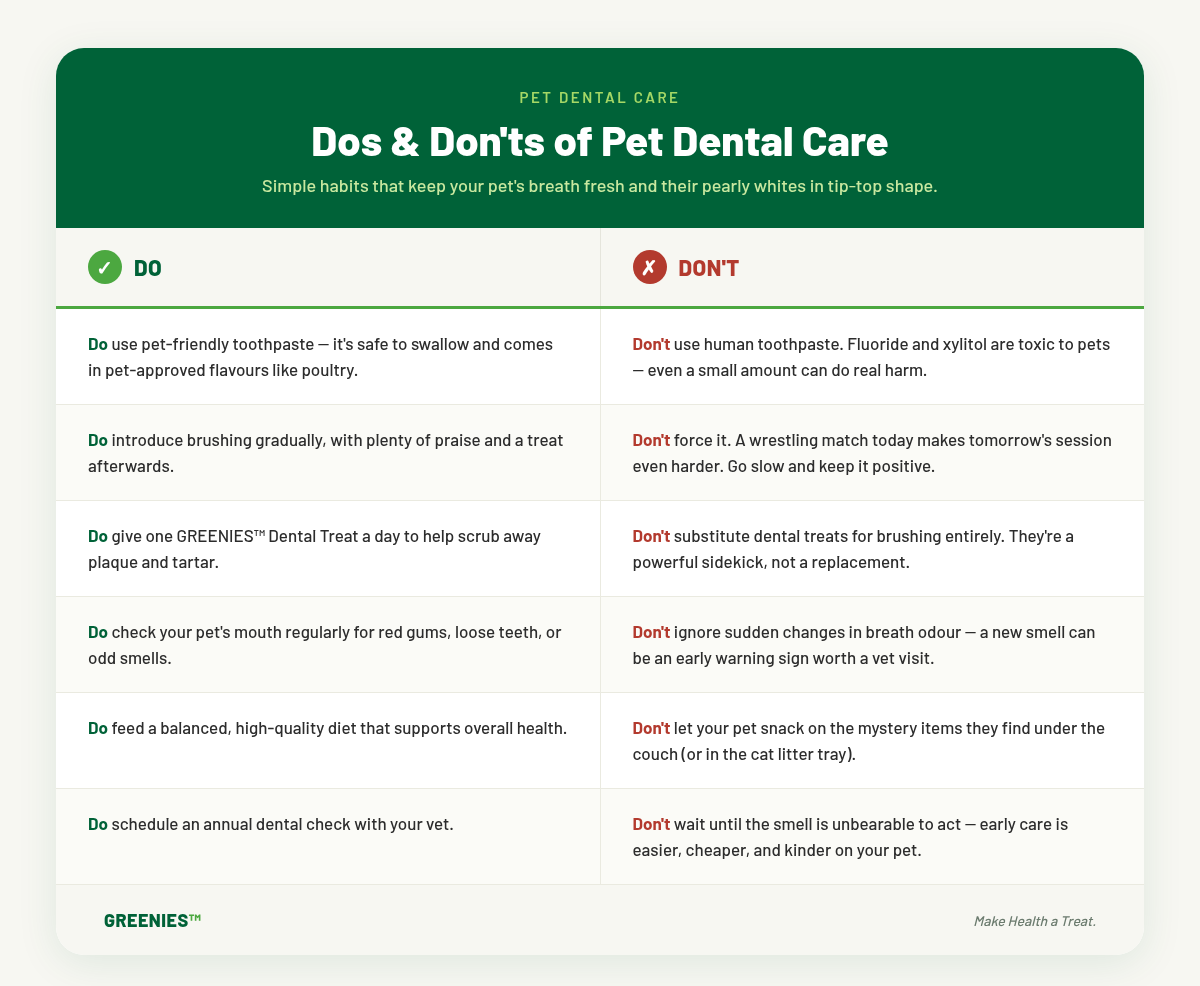
Discover our Dog & Cat Dental Care Range
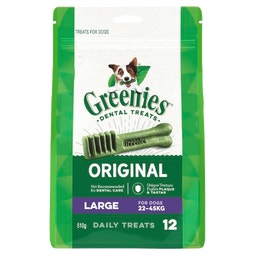
GREENIES™ Original Large Dental Dog Treats 510g (12 Treats)
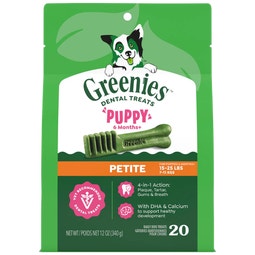
GREENIES™ Puppy 6 Months+ Original Petite Dental Dog Treats 340g (20 Treats)
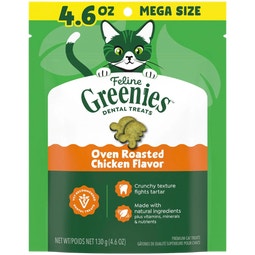
FELINE GREENIES™ Oven-Roasted Chicken Dental Cat Treats 130g

Catnip Dental Treats for Cats – Clean Teeth & Fresh Breath (277g)

GREENIES™ Blueberry TEENIE™ Dental Dog Treats 340g (43 Treats)
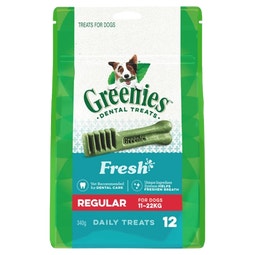
GREENIES™ Fresh Regular Dental Dog Treats 340g (12 Treats)
8 results
8 results